
Solar panels.
Battery storage.
Generate your own solar energy. Store more for later. Explore solar panels, a battery for your existing system, or both together—designed around your home.
Thomastown based. Helping homes and businesses across Victoria.
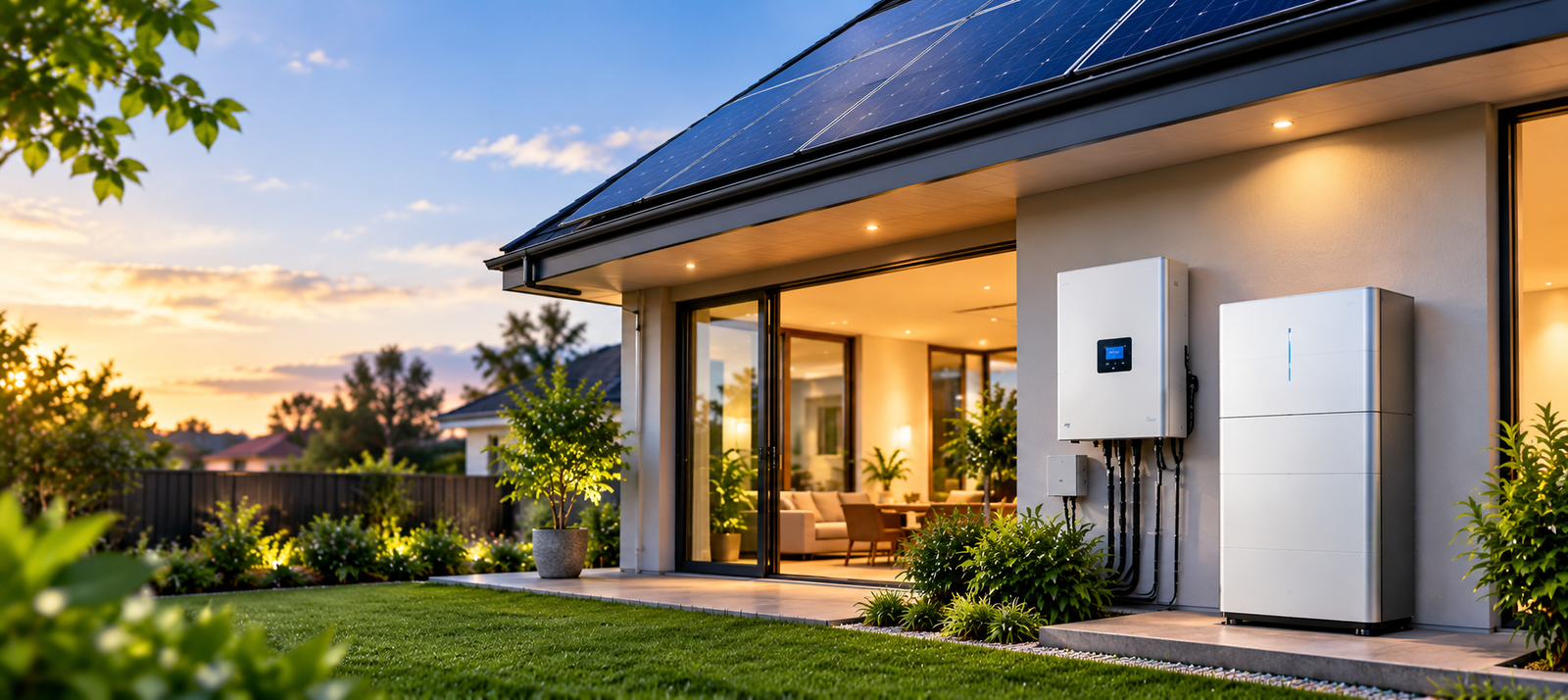
Sunshine, with a second shift.
Generate by day. Store surplus. Use it when it suits you.
Put your roof to work.
Use rooftop solar generation to help supply your home during the day.
Make solar go further.
Add a compatible battery to store surplus generation for later use.
Start with your routine.
Match panels, inverter and any storage to your roof, usage and future plans.
Your home. Your next energy move.
Choose the upgrade you have in mind. We’ll help you work out what comes next.
Start with your rooftop.
Explore a solar panel system matched to your roof and daytime electricity use. A battery is optional; generation, inverter choice and network conditions come first.
- Review roof space, orientation and shading
- Match panel and inverter capacity to your usage
- Confirm network approval and any export limits
Add storage. Keep the potential.
Make better use of your existing rooftop solar with a compatible battery system. Start by checking the panels, inverter and how your household uses electricity.
- Share your existing inverter model
- Review daytime exports and evening demand
- Assess compatibility, siting and electrical work
Design the whole picture.
Plan your panels, inverter and battery together. Balance generation, storage and the available roof space around your household’s needs.
- Review your bill and roof layout
- Match battery storage to expected generation
- Discuss monitoring and any backup circuits
Good energy. On your schedule.
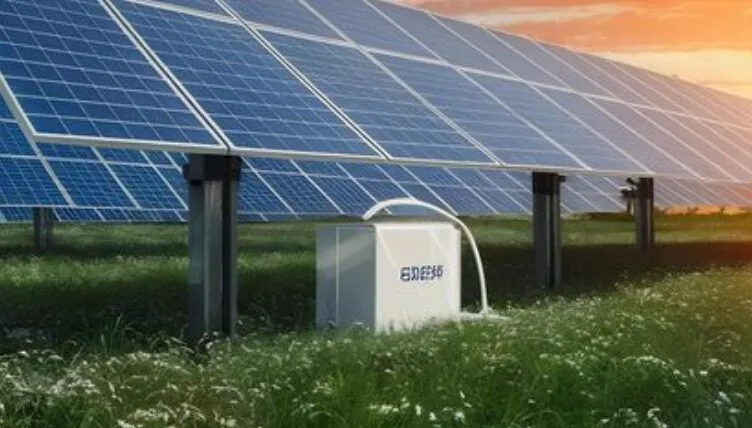
Catch the daylight.
Solar panels power your home while the sun is available. Surplus generation can charge a compatible battery.
Illustrative energy journey. Actual operation depends on system design, settings, weather and demand.
Solar panels
Produce electricity while sunlight is available.
Battery storage
Save surplus energy within the system’s limits.
Your household
Use solar directly or draw on stored energy.
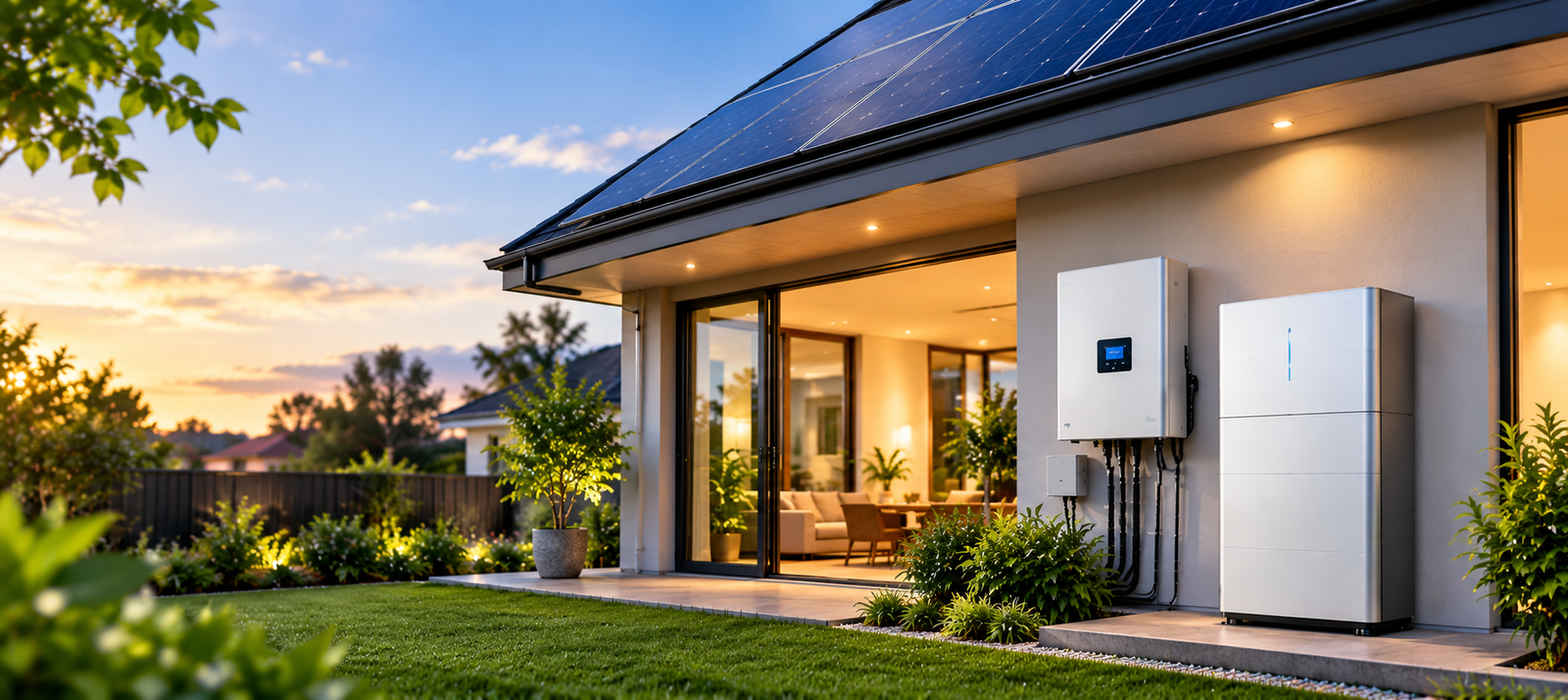
Bring your sunshine home.
A charged battery can supply stored energy later, including in the evening. Grid support may still be needed when demand or usage exceeds available storage.
Illustrative energy journey. Actual operation depends on system design, settings, weather and demand.
Stored energy
Use the energy available in your battery.
Your routine
Coordinate settings with your household and tariff.
The grid
Stay connected for energy beyond available storage.
A brighter roof.
A considered design.
Start with solar panels selected for your roof, available sunlight and electricity demand. Choose panels on their own, or coordinate the design with a compatible battery now or later.
- Assess roof space, orientation and shading
- Match panels and inverter to your energy use
- Review network approval, monitoring and handover





Storage that suits
the life you lead.
Explore 14, 28 and 42 kWh package classes as starting points for a tailored system assessment.
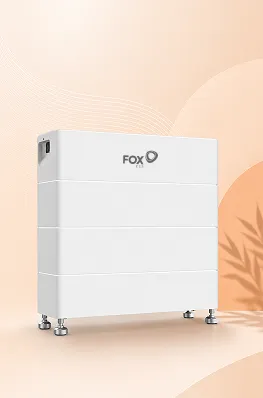
14 kWh
Indicative package class
Explore a smaller storage configuration against your evening demand and the surplus your panels can produce.
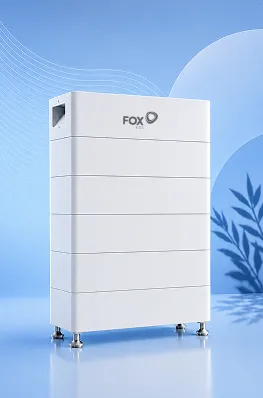
28 kWh
Indicative package class
Consider a higher storage configuration if your usage, solar generation and future plans support it.
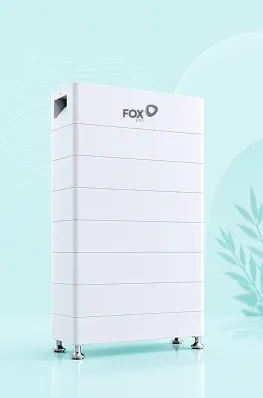
42 kWh
Indicative package class
Review a larger configuration carefully against charging potential, peak power demand and overall value.
Illustrative packages. Exact nominal and usable capacities, inverter output, product availability and eligibility must be confirmed for the selected configuration. Larger storage does not automatically mean better value.
Familiar names. More possibilities.
Compare battery and inverter options for a system designed around your property.





GoodWe · Fox ESS · Solis · AlphaESS · Sungrow · SAJ · Anker. Model availability, compatibility, approval and warranty terms are confirmed with your quote.
Explore the support.
See the full picture.
Solar panel and battery incentives have separate eligibility rules. Confirm the applicable support and your total cost in writing.
Solar Victoria
PV rebate
Eligible Victorian households may access the Solar Homes solar panel (PV) rebate.
- Household and property eligibility checks
- Authorised retailer and eligible products
- Approval before installation
Check current availability, approval requirements and any loan terms before proceeding.
Cheaper Home
Batteries Program
Eligible battery installations may receive an upfront discount through the Australian Government’s Cheaper Home Batteries Program.
- Existing or new solar PV system
- Approved products and accredited installation
- Capacity, site and previous claim checks
The discount depends on the selected system, eligible usable capacity, installation date and current rules.
A clear plan. A confident next step.
Tell us about your energy.
Share a recent bill, your existing solar details and what you want your system to do.
Review your options.
Discuss panel and inverter sizing, any storage or backup circuits, installation work, warranty and the itemised quote.
Get to know your system.
Arrange installation, commissioning and a handover covering monitoring, settings and support.
Good energy starts with good service.
“This system is so reliable”
Published customer testimonial
“Very professional people and very quick”
Published customer testimonial
“Amazing assistance throughout the entire process”
Published customer testimonial
Customer feedback across our energy upgrade services. The service label above each quote identifies the reviewer’s experience.
More clarity.
Better energy choices.
The right questions help you compare the right systems.
Can I install solar panels without a battery?
Yes. A grid-connected solar panel system can generate electricity without a home battery. Storage is optional. A battery may be added later, subject to compatibility and an electrical assessment.
How many solar panels do I need?
The design depends on usable roof space, orientation, shading, electricity use and network requirements. Ask for the proposed panel and inverter capacities, estimated generation and any export limits to be explained in your quote.
Can I add a battery to my existing solar?
Often this is possible, but the battery, inverter, electrical supply and existing installation need to be assessed together. Share the inverter model and recent electricity bills before choosing a configuration.
Will a battery keep my home running in a blackout?
Backup is not automatic. It requires a system designed with the appropriate inverter, controls and backup circuits. Confirm which loads can operate, power limits and expected runtime in your proposed design.
How much storage do I need?
Start with electricity use over the day, surplus solar production and evening demand. Also consider future needs, tariff settings, available space and budget. A larger battery is not automatically a better fit.
What is the difference between kW and kWh?
kWh describes energy storage. kW describes power output at a moment in time. Both matter: a large store of energy does not mean a system can run every appliance at once.
How much will I save?
Savings and payback depend on solar production, usage patterns, tariffs, system cost and operation. Ask for an estimate based on your bills with assumptions explained; no fixed savings figure applies to every property.
Do I have to join a virtual power plant?
Under the federal battery program, a grid-connected system needs the required VPP technical capability. Participation in a VPP is not compulsory for that program. Check any separate retailer or tariff contract before signing.
What should my quote include?
Ask for the exact product models, nominal and usable capacity, inverter output, installation work, any backup capability, applicable discounts, warranty terms and the total price you pay.
Let’s put your
sunshine to work.
Tell us about your property and whether you want solar panels, battery storage or both. We’ll help you explore a suitable design.
- Existing solar? Have your inverter model handy.
- A recent electricity bill is a useful starting point.
- Tell us if backup power is a priority.
Get a free solar & battery quote
Start with a few details about your property.
